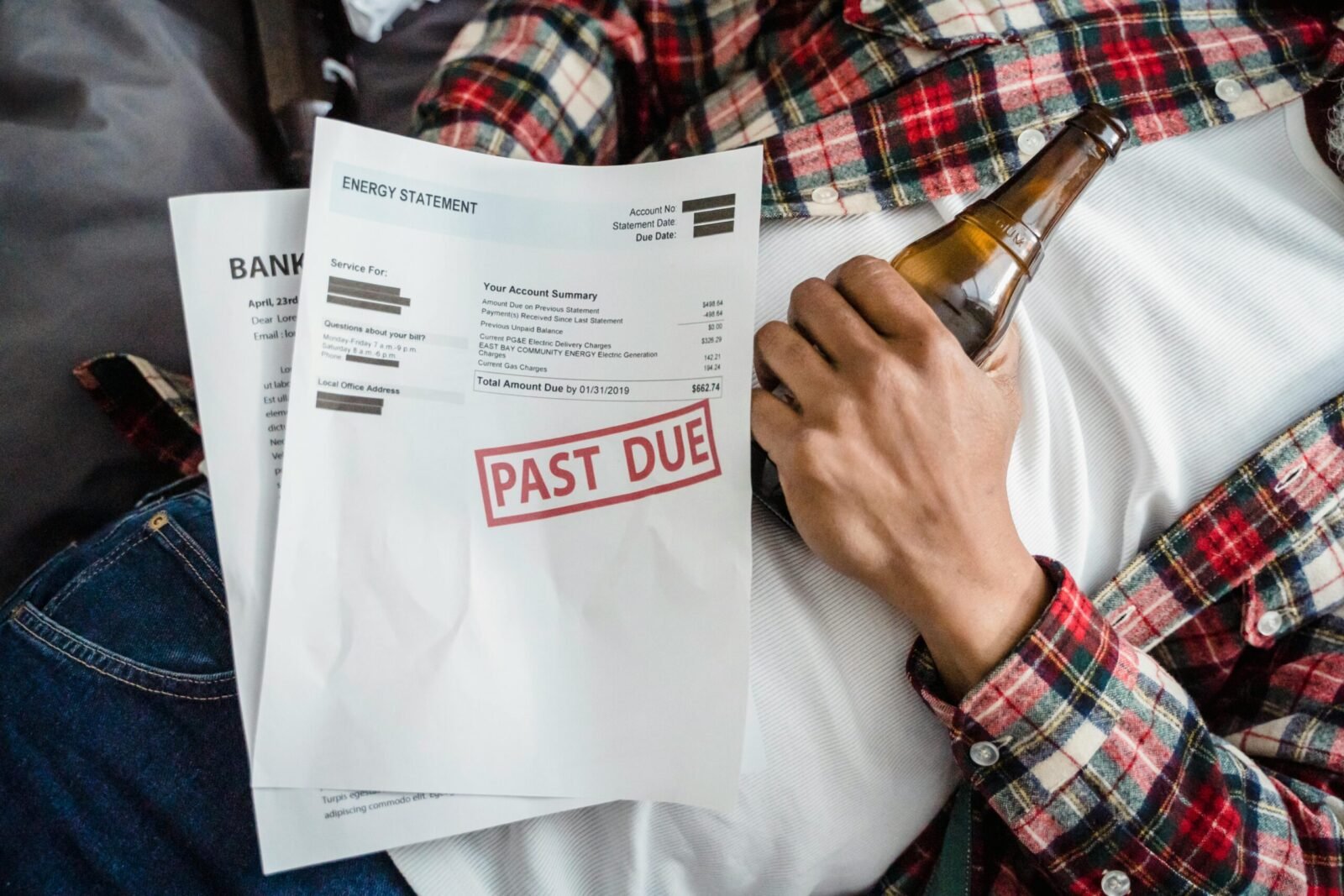
Filing for bankruptcy can feel like a financial reset—but it doesn’t mean your borrowing options disappear forever. In fact, many lenders in the USA offer loan solutions specifically designed for people rebuilding credit after bankruptcy.
This in-depth, SEO-friendly guide explains how to get a loan after bankruptcy in 2026, the best loan options available, eligibility requirements, and proven strategies to improve approval chances.
Can You Get a Loan After Bankruptcy?
Yes, you can get a loan after bankruptcy—but it depends on:
- The type of bankruptcy filed
- Time since discharge
- Your current credit profile
- Income stability
Lenders view bankruptcy as a risk, but many are willing to work with borrowers who show financial recovery and responsible behavior.
Types of Bankruptcy and Waiting Periods
Chapter 7 Bankruptcy
- Discharges most debts
- Stays on credit report for up to 10 years
- You may qualify for loans within 1–3 years after discharge
Chapter 13 Bankruptcy
- Repayment plan over 3–5 years
- Stays on credit report for 7 years
- You may qualify even during repayment (with court approval)
Best Loan Options After Bankruptcy (2026)
1. Secured Loans
Secured loans are the easiest to qualify for after bankruptcy.
- Require collateral (car, savings, property)
- Lower interest rates
- Higher approval chances
Best for rebuilding credit with lower risk to lenders.
2. Credit Builder Loans
These loans are specifically designed to rebuild credit.
- No credit history required
- Small loan amounts
- Payments reported to credit bureaus
Popular Providers:
- Self
- Credit Strong
3. Personal Loans for Bad Credit
Some lenders specialize in borrowers with poor or recovering credit.
Top Options:
- Upstart
- Avant
These lenders consider factors beyond credit score, such as income and employment.
4. Credit Union Loans
Credit unions often offer more flexible approval criteria.
- Lower interest rates
- Personalized service
- Higher approval chances for members
5. Co-Signed Loans
Adding a co-signer with good credit can:
- Improve approval chances
- Reduce interest rates
However, the co-signer is responsible if you default.
Steps to Get a Loan After Bankruptcy
Step 1: Check Your Credit Report
Start by reviewing your credit report to:
- Ensure discharged debts are marked correctly
- Identify errors
You can check reports from:
- Experian
- Equifax
- TransUnion
Step 2: Rebuild Your Credit First
Before applying for a loan, improve your credit profile:
- Pay all bills on time
- Use a secured credit card
- Keep credit utilization low
Step 3: Show Stable Income
Lenders prioritize borrowers with:
- Consistent income
- Stable employment or business
Gig workers can use bank statements and 1099 forms as proof.
Step 4: Save for a Down Payment or Collateral
Offering collateral significantly increases approval chances and lowers interest rates.
Step 5: Apply with the Right Lenders
Focus on lenders that:
- Specialize in bad credit
- Offer flexible underwriting
Avoid traditional banks initially if your credit is still low.
Step 6: Start Small
Begin with:
- Small loan amounts
- Short-term loans
Build a positive repayment history before applying for larger loans.
How Lenders Evaluate You After Bankruptcy
Credit Score
Even after bankruptcy, lenders check your current score.
Payment History After Bankruptcy
Recent positive activity matters more than past mistakes.
Debt-to-Income Ratio (DTI)
DTI = \frac{Total\ Monthly\ Debt}{Gross\ Monthly\ Income} \times 100
Lower DTI improves approval chances.
Income Stability
Consistent earnings show your ability to repay the loan.
Interest Rates After Bankruptcy
Expect higher interest rates initially:
- Bad credit loans: 15%–36% APR
- Secured loans: Lower rates
- Rates improve over time with better credit
Tips to Improve Loan Approval Chances
- Wait at least 6–12 months after discharge
- Build a positive payment history
- Keep debt levels low
- Avoid multiple loan applications
- Consider a co-signer
Common Mistakes to Avoid
- Applying too soon after bankruptcy
- Ignoring credit report errors
- Taking high-interest payday loans
- Borrowing more than needed
- Missing new payments
How Long Does It Take to Recover?
- 3–6 months: Start rebuilding credit
- 6–12 months: Eligible for small loans
- 1–3 years: Better loan options
- 3+ years: Competitive interest rates possible
Consistency is key to recovery.
When to Avoid Taking a Loan
Avoid borrowing if:
- Your income is unstable
- You cannot afford monthly payments
- You’re still recovering financially
Focus on rebuilding before taking new debt.
Final Thoughts
Getting a loan after bankruptcy in the USA in 2026 is absolutely possible. While the process may be more challenging, the growing number of flexible lenders and credit-building tools makes it easier than ever to recover financially.
Start small, rebuild your credit, and choose the right loan type. Over time, responsible borrowing will restore your financial credibility and open the door to better opportunities.
FAQs
Can I get a loan immediately after bankruptcy?
It’s possible but difficult. Waiting a few months improves your chances.
What is the easiest loan to get after bankruptcy?
Secured loans and credit builder loans are the easiest options.
Will my interest rates always be high?
No, rates improve as your credit score increases.
Can bankruptcy be removed from my credit report early?
Generally no, but its impact reduces over time.